Colour on Location: Limited Palettes, Spot Mixing, and Memory
Context
Colour on location requires decisions about speed, fidelity, and logistics. A compact strategy helps maintain focus while outdoors or in busy places. Three commonly used options are limited palettes, spot mixing, and memory-based colour notes. Each has advantages depending on your goals and the time available.
Limited palettes
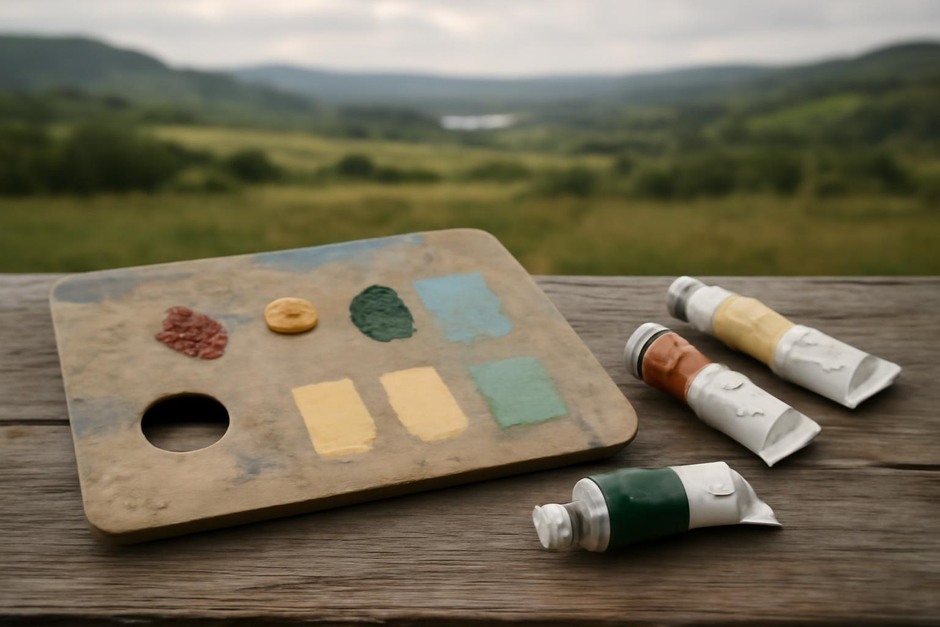
A limited palette uses a small selection of pigments—often a warm and cool version of primary colours plus a neutral—so you can mix a wide range of colour while keeping the setup minimal. Many practitioners favor this approach for its predictability and harmony.
Benefits:
- Colour harmony is easier to control with fewer pigments.
- Reduced decision fatigue when mixing on location.
Considerations:
- Some colours cannot be mixed exactly, which is acceptable if the goal is an economical impression rather than perfect replication.
- Requires prior testing to understand mixing limits.
Spot mixing
Spot mixing is the practice of mixing colours in small, targeted amounts and applying them immediately. It is often used for rapid studies where capturing a specific hue or temperature shift is important.
Benefits:
- Immediate colour matches for small areas of the scene.
- Works well when you need distinct accents or accurate local colour.
Considerations:
- Can slow you down if you aim for many precise matches.
- Requires a tidy palette and quick judgement to avoid muddy mixes.
Memory-based colour notes
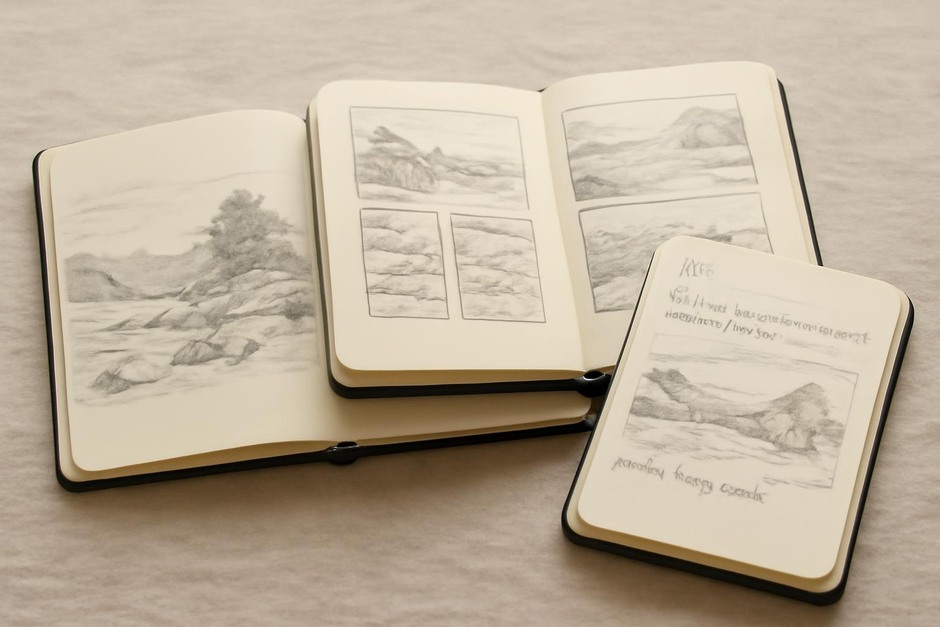
Some sketchers intentionally do quick monochrome studies in the field and add colour later from memory or reference. Others take very brief colour swatches or written notes—”warm brick, cool shadow”—to guide studio colour decisions.
Benefits:
- Maximizes speed on location while preserving colour intent.
- Encourages selective use of colour rather than literal transcription.
Considerations:
- Relies on memory accuracy or the usefulness of sparse notes.
- May lose subtle local colour relationships that matter later.
Practical combinations
A hybrid approach is common and practical. Use a limited palette for overall harmony, spot mix for key accents, and take a few small swatches or short phrases to remind you of local colour effects. For example, keep three pigments on your travel palette, mix broadly for the scene, and add one or two spot mixes for highlights you want to remember. Write a one-line note about the light quality if it changes quickly.
Exercises to test approaches
- Three-colour study: Choose three pigments and make a single twenty-minute colour sketch. Aim for a convincing overall atmosphere rather than precise local colours.
- Spot-match drill: Pick five small areas of a scene and do quick spot mixes for each, noting the mixes in minimal terms (e.g., “more yellow, touch of ultramarine”).
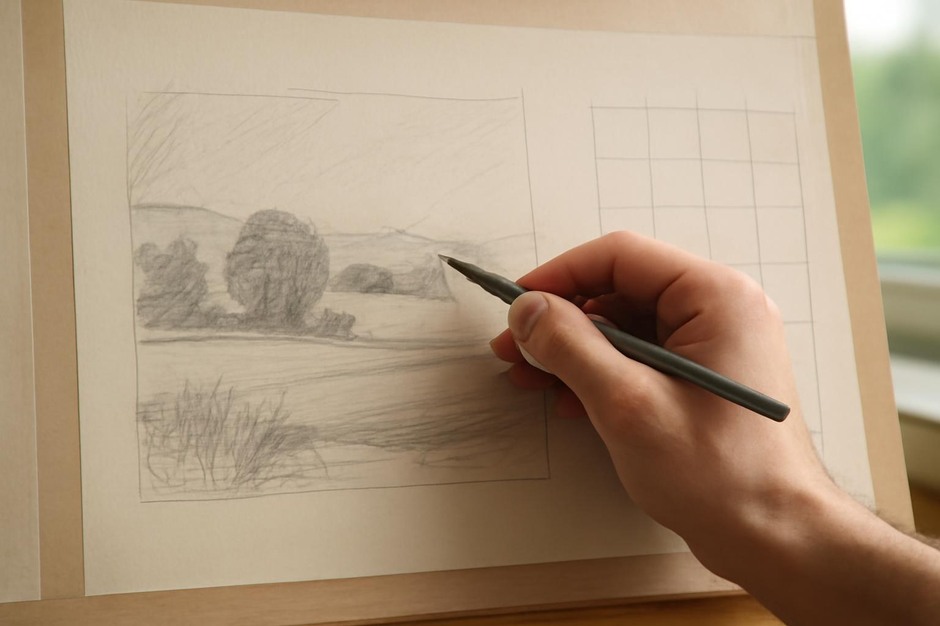
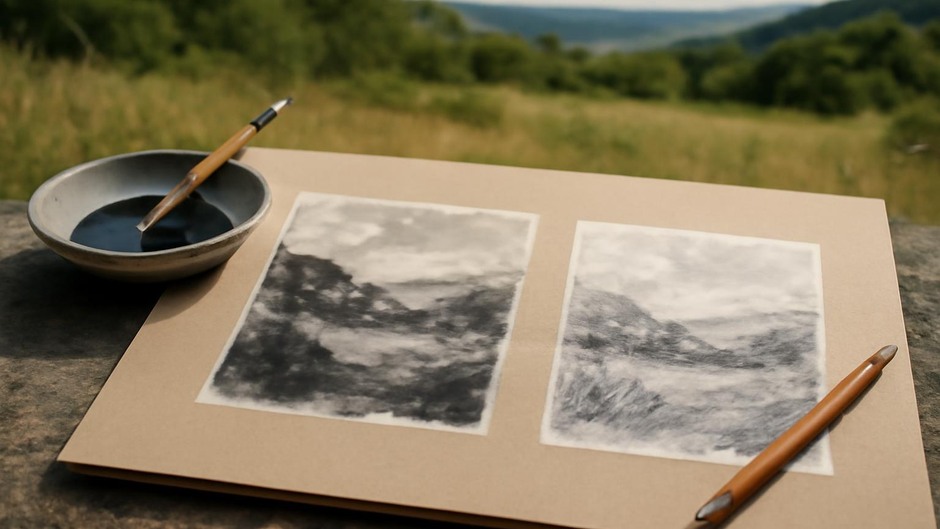
- Monochrome then colour: Paint a value study on location in one neutral tone. Later in the studio, add colour from memory and notes to see what information was retained.
Choosing by purpose
Decide your approach by asking what you need from the sketch: a quick impression to capture light, a small reference for studio work, or a finished mini-study. Limited palettes and spot mixing keep colour decisions on location; memory-based notes favor speed and selective emphasis. Each method asks you to prioritize either fidelity, speed, or later decisionmaking. Try them in sequence and notice how each shapes what you retain and how you later use the sketches.